What is my Pokémon card worth?
Point your phone's camera at the card and see its price in seconds. It's free: no sign-up and no app to install. The scanner knows 21,428 cards from 206 sets. You can also type the card's name.
Find your card's value in three steps
- Find the exact card. The name is at the top. The set symbol and the card number (for example 199/165) are at the bottom. The number matters: the same Pokémon can be worth a few cents as a regular card and hundreds as a full-art version.
- Check its condition. Prices you see are for near mint, ungraded cards: sharp corners, no white specks on the edges, no scratches or bends. A played card sells for a good deal less.
- Look up the price. The scanner reads the card and shows its Cardmarket price (the European market) or its TCGplayer price (the US market), in your own currency. Tap the card for its price history and every version of it.
What makes a Pokémon card valuable
Rarity. The symbol at the bottom of the card shows it: a circle is common, a diamond uncommon, a star rare. In today's sets, gold stars mark the rarest cards, the illustration rares and special illustration rares.
The Pokémon. Fans pay most for the favourites. Right now the four most valuable cards in the newest sets are Pikachu ex, Umbreon ex, Mega Gengar ex and Mega Charizard X ex.
Condition and grading. A near-mint card is worth far more than a worn one. A card graded by PSA, Beckett or CGC sells for more again, but grading costs money, so it only pays off for valuable cards in top condition.
Age and edition. For the first sets from 1999, a "1st Edition" stamp or a "shadowless" print (no shadow along the right side of the picture frame) makes the same card worth many times more.
The most valuable cards in the newest sets right now
Cardmarket prices from November 21, 2026, one card per Pokémon. Tap a card for its live price.
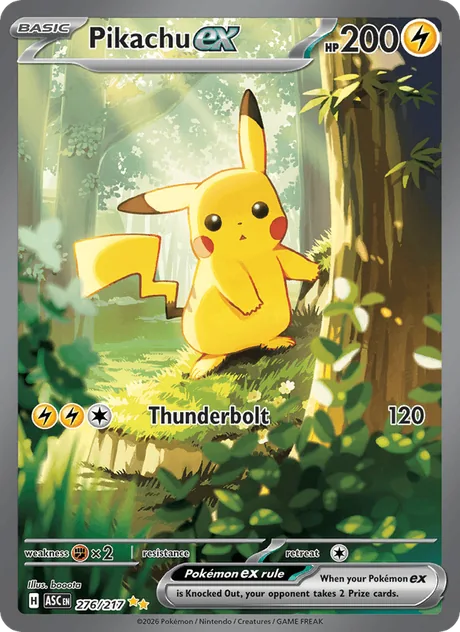
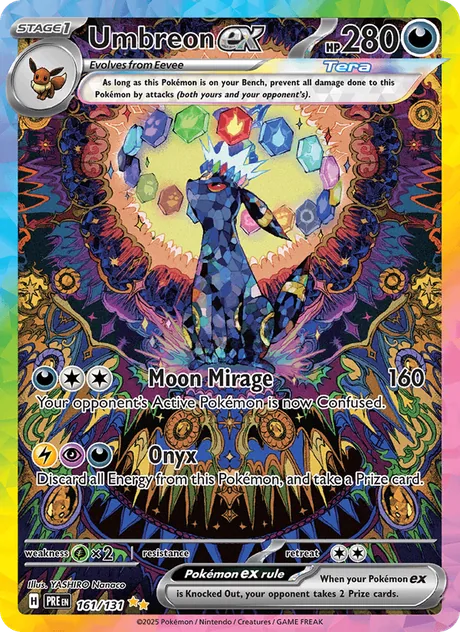
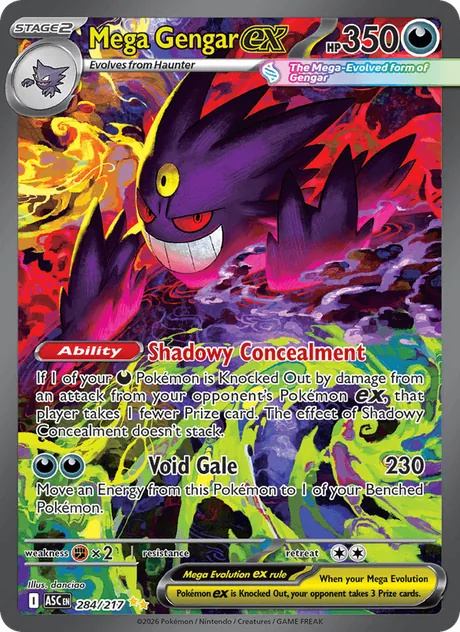
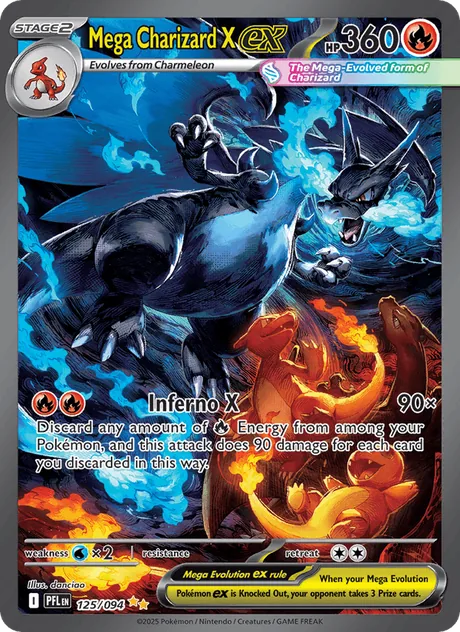
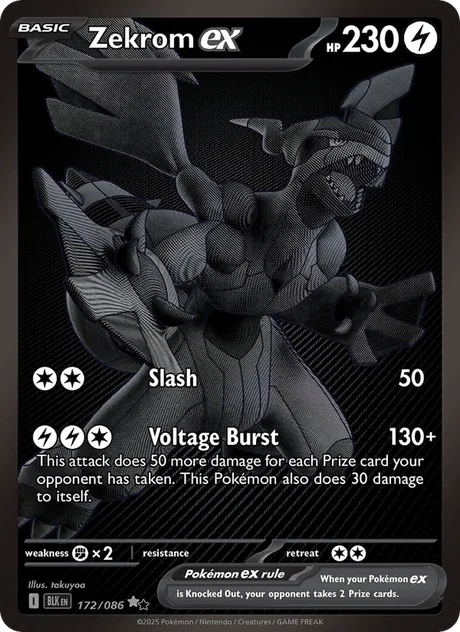
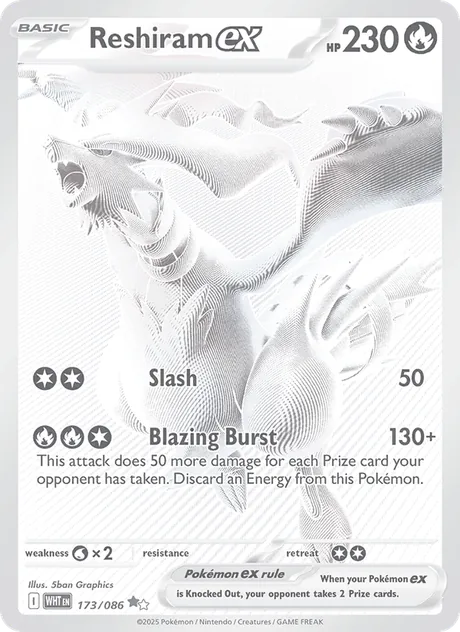
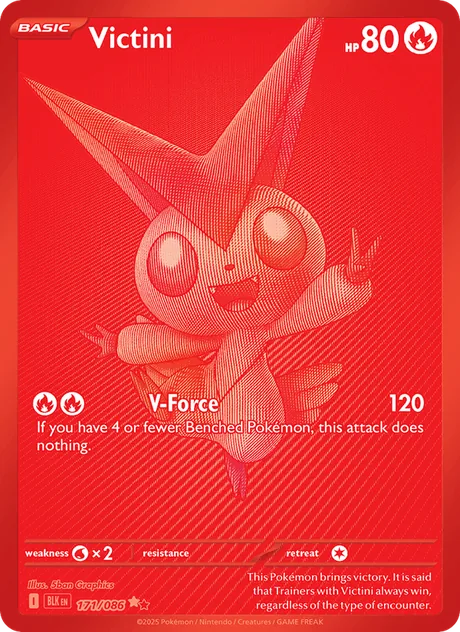
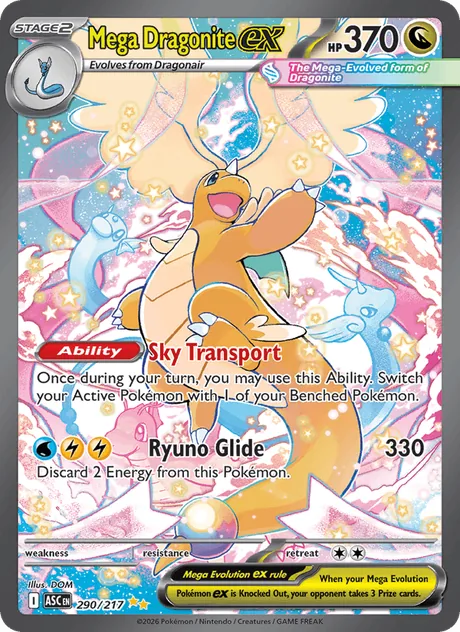
The top cards of every current set, with both prices: the most valuable cards in every set.
Is my card real?
- Compare it with the picture of the real card in the scanner: the colours, the position of the text and the energy symbols should match exactly.
- Look for spelling mistakes and a font that looks off. Fakes often get small details wrong, such as the attack damage or the HP.
- Check the back: the blue should be deep and even, not pale, purple-ish or blurry.
- Feel it: a fake is often too glossy, too thin or too flexible next to a real card from a pack.
Questions
Is the card value checker free?
Yes. Scanning and searching are free and need no account. A free account lets you save your collection and see what it is worth in total.
Which price should I use, Cardmarket or TCGplayer?
The one for where you sell. Cardmarket is the big market in Europe (prices in euros), TCGplayer the big one in the US (dollars). The same card often costs quite different amounts on the two: our guide TCGplayer vs Cardmarket compares them card by card.
Are common cards worth anything?
Usually only a few cents each. Collectors buy them in bulk lots by the hundred. Holos, full arts and cards with a star or more are the ones worth looking up one by one.
Should I get my card graded?
Only if it is valuable and in near-mint condition. Grading costs a fee per card plus shipping and insurance, and a card that comes back with a low grade can be worth less than the fee.